For many young travellers, the dream holiday has changed. It is less about a crowded beach and more about silence, a river at dawn and a phone left in a drawer. Meditation retreats, yoga centres, silent stays and pilgrimages are drawing a younger crowd every year, and in many cases these trips are replacing the traditional vacation.
This guide explains why spiritual travel is growing among Gen Z, where people go, what a first retreat is really like, and how to plan one safely and affordably.
Why Gen Z is choosing retreats over regular holidays
The appeal is a mix of curiosity, healing and reset. Many younger travellers describe feeling overstimulated and tired by constant screens. A retreat promises the opposite: slower days, fewer decisions and space to think.
Common motivations include:
- Digital detox. Time away from notifications and social feeds.
- Nervous system recovery. Rest after intense study or work periods.
- Emotional clarity. Quiet time to think about relationships, career or direction.
- Curiosity. A wish to experience a practice they have only seen online.
Booking.com’s Travel Predictions 2026, based on a survey of 29,733 travellers across 33 countries and territories, found that 53% of Gen Z travellers consider mystical or spiritual influences when planning a trip, compared with 46% of millennials.
Unlike many older visitors, Gen Z often approaches these places less through devotion and more through curiosity. That does not make the experience shallow. Many leave with a stronger daily practice than they arrived with.
Popular destinations
| Destination | Known for | Typical experience |
|---|---|---|
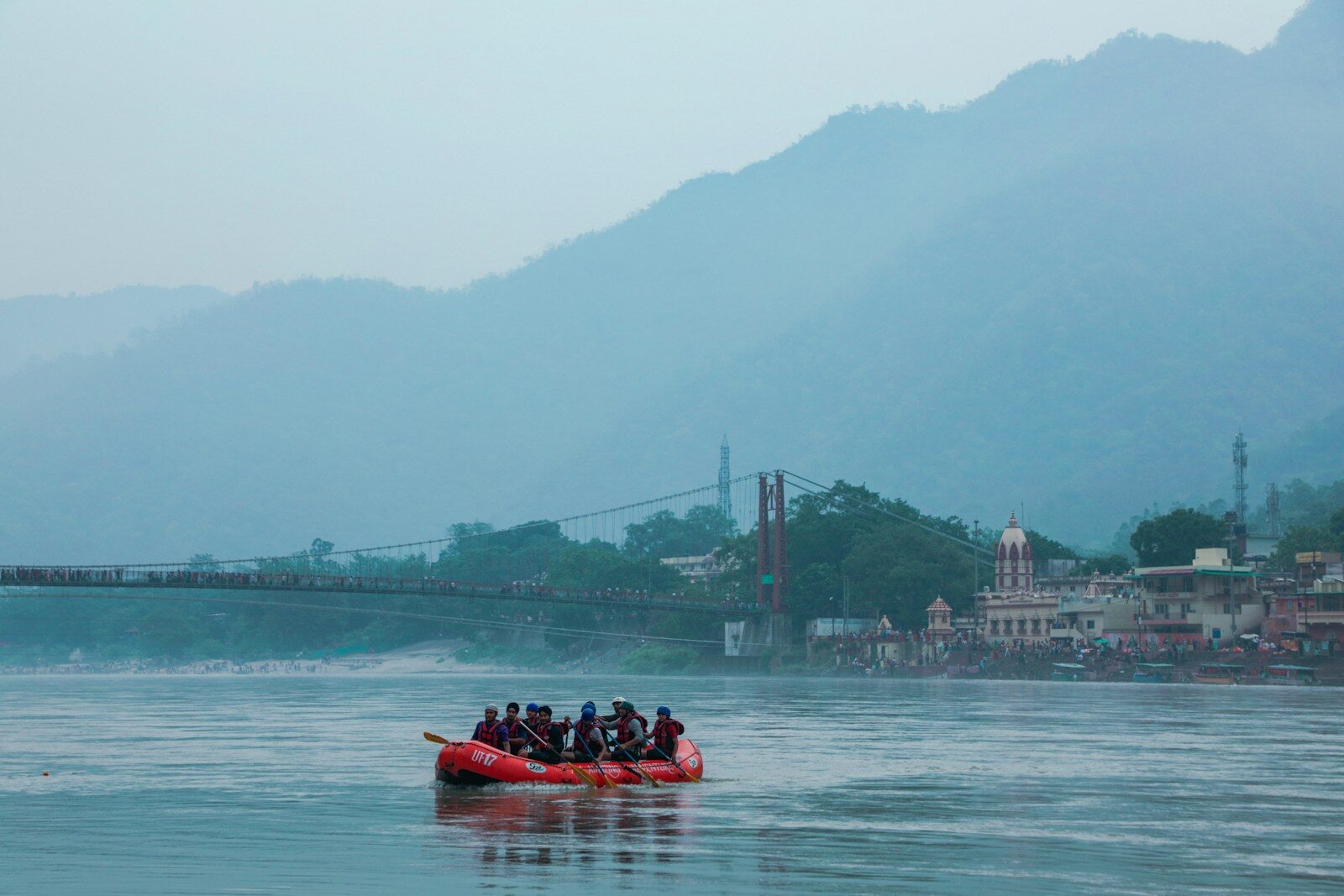
| Rishikesh, India | Yoga, meditation, the Ganga ghats | Yoga classes, ashram stays, evening aarti |
| Dharamshala, India | Tibetan Buddhist culture, mountain calm | Meditation courses, temple visits, trekking |
| Auroville, India | An experimental international community | Mindfulness workshops, volunteering |
| Bali, Indonesia | Wellness retreats, temples, rice terraces | Yoga, sound healing, spa-style retreats |
In India the pull is toward pilgrimage as well as retreat. The Week reported that researchers at the Govind Ballabh Pant Social Science Institute recorded more people aged 18 to 35 at the Mahakumbh. One 29-year-old from Noida described his group’s trip as a bunch of friends on an outing where the mood was nonetheless spiritual. That blend of friendship and reverence is typical of how younger people travel.
Types of spiritual travel
- Silent retreats. Several days without speaking, often with meditation sessions. Intense, but many find them deeply rewarding.
- Yoga and wellness retreats. A structured programme of classes, meals and rest, usually easier for beginners.
- Pilgrimages. Journeys to sacred places, from river towns to large gatherings such as the Mahakumbh.
- Community stays. Volunteering or living inside an ashram or community for a few days or weeks.
- Wellness festivals. Weekend events combining music, workshops and movement.
At the far end of the same impulse are experiments in living simply, such as a village in Andhra Pradesh where around eighty people live without electricity or phones by choice. Few travellers go that far, but it shows how strong the pull towards simplicity has become.
What a first retreat is really like
Many first-time participants are surprised by how strongly silence affects them. Without constant distraction, emotions surface, and some people cry, laugh or feel restless in the first days. This is normal. By the second or third day many report feeling calmer and more present.
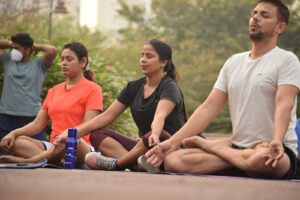
A typical day may include an early wake-up, movement or yoga, meditation, simple meals, rest and an evening talk or chanting. Phones are usually collected or discouraged.
The emotional impact is one reason these trips grow through word of mouth. People return and tell their friends.
How to plan your first spiritual trip
- Define your goal. Rest, learning, healing or adventure each point to a different kind of trip.
- Start short. A weekend or three-day stay is easier than a ten-day silent course.
- Research the host. Read recent reviews, check how long the place has operated and ask about teachers’ training.
- Check the costs. Ask what is included, avoid heavy upselling and be wary of unusually vague pricing.
- Prepare practically. Pack simple clothes, let family know where you will be and check seasonal weather and travel conditions.
- Know your limits. If you have a health condition or a history of anxiety or trauma, speak to a doctor first, because intense silence or long meditation can be difficult for some people.
- Plan the return. Leave a day to settle back in rather than going straight to work.
Safety and respect
- Choose well-reviewed organisers and trust your instincts if something feels off.
- Be cautious with any group that demands large payments, isolates you or pressures you to cut off family.
- Dress modestly at sacred sites and follow local customs.
- Travel in a group or tell someone your schedule if you are going alone.
Frequently asked questions
Are meditation retreats becoming more popular with younger people? Yes. Wellness retreats, silent retreats and ashram visits have grown among younger travellers seeking an emotional reset and a digital detox.
Where should a beginner go for a spiritual trip in India? Rishikesh, Dharamshala and Auroville are common starting points because they have many beginner-friendly options.
How much does a retreat cost? Costs vary widely, from donation-based stays to premium resorts. Always confirm what is included before booking.
Do I need experience to join a retreat? No. Many programmes welcome beginners. Check the schedule and choose a level that suits you.
Conclusion
Spiritual travel is growing because it gives young people what daily life often lacks: quiet, simplicity and a chance to hear their own thoughts. Whether you choose a river town, a mountain monastery or a weekend retreat, go with curiosity, research your host and leave room to rest. A few quiet days can reset more than you expect.
Related reading: Wellness practices and spirituality · Bhajan clubbing and spiritual community
Sources: Booking.com, Travel Predictions 2026; The Week; The Inner Path.
Join DharmGhar Family