Manu Bhaiya Biography: Life, Spiritual Journey, Shani Dham and Devotion to Shani Dev
India has a rich spiritual heritage where people seek peace, guidance, and hope through prayer, meditation, and devotion to the divine. Among the spiritual figures who have attracted public attention through digital platforms and devotional activities is Manu Bhaiya, known for his association with Shani Dham and his devotion to Lord Shani Dev.
For many followers, Manu Bhaiya represents a familiar face in the world of contemporary spirituality. His presence on digital platforms has helped introduce his work to people who may not otherwise have heard about him.
In this article, we explore Manu Bhaiya’s background, his reported spiritual journey, his association with Shani Dham, the significance of Lord Shani Dev in Hinduism, and the spiritual lessons that readers can reflect upon.
Who Is Manu Bhaiya?
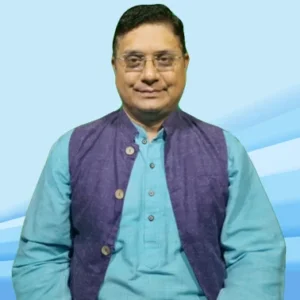
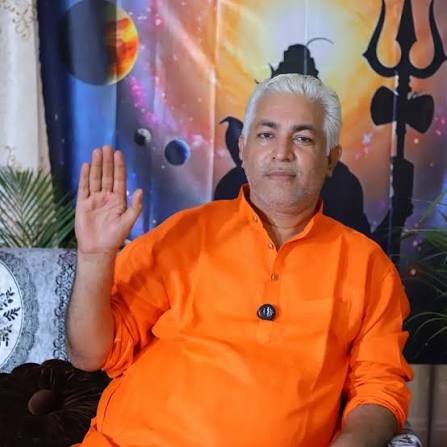
Manu Bhaiya is an Indian spiritual figure who became known to the public through his religious activities and online videos. He has been associated with Shani Dham in the Chhawla area of Najafgarh, Delhi.
Unlike the traditional image of a spiritual guru, Manu Bhaiya has been described in media coverage as someone who presents himself in a relatively accessible manner. The name “Bhaiya” conveys a sense of familiarity and brotherhood, making him recognisable to people who follow his activities.
His online presence has also contributed to his public recognition. Through digital media, spiritual discussions and religious content can reach people across geographical boundaries, allowing viewers to explore spiritual subjects from their homes.
His official website, manubhaiya.com, highlights the devotional invocation “Jai Shani Dev” and a traditional Sanskrit prayer dedicated to Lord Shani.
Manu Bhaiya’s Early Life and Educational Background
According to a profile published by ThePrint on March 7, 2020, Manu Bhaiya studied science and commerce at the University of Delhi.
The report describes a shift in his life towards spirituality and meditation around 2004. It also states that he began serving people through his spiritual activities in 2016.
These details provide a glimpse into the background of a person whose public identity became closely associated with religious devotion and spiritual practices.
However, comprehensive information about his date of birth, childhood, family background, and complete educational history is not readily established by the sources consulted for this article. Such details should be confirmed through an official biography before being presented as facts.
Manu Bhaiya’s Spiritual Journey
A person’s spiritual journey can take many forms. For some, it begins with prayer and devotion. For others, meditation, self-reflection, and a desire to understand life’s deeper questions become the starting point.
ThePrint’s 2020 profile reports that Manu Bhaiya described experiencing a significant inner awakening around 2004. According to the same report, he practised meditation and undertook periods of spiritual discipline before beginning his public service activities.
His journey illustrates a broader theme found in Indian spiritual traditions: the search for inner understanding.
In Hindu philosophy, spiritual practice is not limited to visiting temples or performing rituals. It can also involve developing patience, practising self-discipline, reflecting on one’s actions, and cultivating compassion towards others.
Meditation, prayer, and devotional practices can provide people with opportunities to pause, reflect, and approach everyday challenges with greater calm.
For anyone exploring spirituality, it is worth remembering that meaningful spiritual growth is often understood as a gradual process rather than a single extraordinary experience.
Shani Dham and Manu Bhaiya
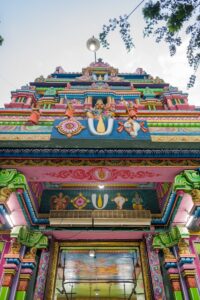
One of the most recognisable aspects of Manu Bhaiya’s public identity is his association with Shani Dham in Chhawla, Delhi.
According to ThePrint’s 2020 report, he established the centre in 2016. The report also notes that people travelled from different parts of India to visit the place.
Religious centres such as Shani Dham can become important gathering places for people seeking prayer, community, and spiritual reassurance.
For devotees of Lord Shani Dev, such places may provide an opportunity to express faith, participate in religious practices, and reflect on the relationship between actions and consequences.
People’s experiences at religious centres can differ considerably. Some may value the devotional atmosphere, while others may visit in search of answers during difficult periods of life.
It is important to approach spiritual institutions with informed judgement and to distinguish personal faith from claims that require independent verification.
Who Is Lord Shani Dev?
To understand Manu Bhaiya’s association with Shani Dham, it helps to understand the religious significance of Lord Shani Dev.
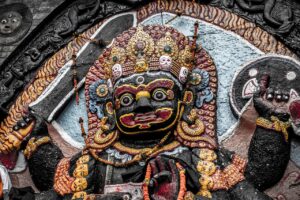
In Hindu tradition, Shani Dev is associated with the planet Saturn and is widely revered as a deity connected with karma, justice, discipline, patience, and the consequences of one’s actions.
Shani Dev is traditionally regarded as the son of Surya Dev, the Sun God, and Chhaya.
Many devotees believe that worshipping Shani Dev encourages people to reflect on their conduct and become more disciplined, honest, and responsible.
Saturday, known as Shanivar in Hindi, is traditionally associated with Shani Dev. Devotees may observe the day through prayer, temple visits, mantra chanting, charitable activities, and other religious practices.
The Spiritual Meaning of Shani Dev
The symbolism of Shani Dev can be understood through several important values:
1. Karma and responsibility
The principle of karma encourages people to consider the consequences of their actions. It reminds us that our choices, habits, and behaviour matter.
2. Patience during difficult times
Life does not always unfold according to our expectations. Faith and patience can help people face uncertainty without losing hope.
3. Discipline and self-control
Regular spiritual practice can encourage consistency, restraint, and a more thoughtful approach to everyday decisions.
4. Humility and compassion
Helping those in need, treating others fairly, and avoiding unnecessary pride are meaningful values that devotees can incorporate into their lives.
These principles offer practical lessons regardless of how a person understands astrology or religious traditions.
Shani Dev Mantra and Its Meaning
A traditional Sanskrit prayer to Shani Dev appears on Manu Bhaiya’s official website.
The prayer is:
“ॐ नीलांजनसमाभासं रविपुत्रं यमाग्रजम्।
छायामार्तण्डसम्भूतं तं नमामि शनैश्चरम्॥”
Meaning in English
The prayer offers salutations to Shani Dev, who is described as having a dark, blue-toned radiance, being the son of Surya Dev, and being the elder brother of Yama.
The verse is a devotional expression of reverence towards Shani Dev.
Devotees may recite this prayer as part of their daily worship or Saturday prayers. As with other devotional practices, the meaning and experience of chanting can vary from person to person.
For those beginning their spiritual journey, learning the meaning of a mantra can make the practice more thoughtful than simply repeating its words.
Manu Bhaiya and the Role of Digital Media in Spirituality
Digital media has transformed how people discover spiritual teachers, religious traditions, and devotional practices.
In the past, people often learned about religious figures through family traditions, local temples, community gatherings, or word of mouth. Today, online videos and websites allow spiritual content to reach audiences far beyond its original location.
Manu Bhaiya’s public presence has included online videos, according to ThePrint’s reporting.
Digital platforms can make religious information more accessible and allow people to explore spiritual subjects at their own pace. They can also create opportunities for discussions about faith, meditation, and religious traditions.
At the same time, viewers should approach online spiritual content thoughtfully. Personal testimonials and extraordinary claims are not substitutes for reliable evidence, particularly when they concern medical conditions or other serious problems.
A balanced approach allows people to explore spirituality while continuing to make informed decisions about their health, finances, and personal well-being.
Spiritual Healing, Faith and Personal Responsibility
People sometimes turn towards religious or spiritual practices when they are experiencing emotional distress, uncertainty, or personal difficulties.
Prayer, meditation, community support, and conversations with trusted people can offer comfort and help individuals reflect on their circumstances.
However, it is important to distinguish spiritual reassurance from medical treatment.
Claims that supernatural forces cause illness, or that rituals can cure physical or psychological conditions, should not be accepted as established medical facts without reliable evidence.
Anyone experiencing persistent physical symptoms or mental health difficulties should seek guidance from a qualified healthcare professional. Spiritual practices may be meaningful alongside appropriate care, but they should not replace necessary medical evaluation or treatment.
Similarly, people should be cautious about promises of guaranteed results, demands for large sums of money, or pressure to make urgent decisions in the name of spirituality.
Faith can be an important part of life while still allowing room for reason, personal responsibility, and careful judgement.
Spiritual Lessons Readers Can Reflect On
Regardless of whether someone follows Manu Bhaiya or another spiritual tradition, several useful lessons can be drawn from the broader principles associated with Hindu spirituality.
1. Make Prayer a Practice of Reflection
Prayer can be an opportunity to examine your thoughts, intentions, and actions. Rather than focusing only on what you want to receive, consider how you can become more patient, compassionate, and responsible.
2. Practise Patience During Difficult Times
Challenges are part of life. Patience does not mean remaining passive in the face of problems. It means responding thoughtfully instead of allowing fear or frustration to control every decision.
3. Take Responsibility for Your Actions
The principle of karma encourages reflection on how our behaviour affects ourselves and others. Honesty, kindness, and responsibility can improve both personal relationships and community life.
4. Help Others Whenever Possible
Acts of kindness need not be extraordinary. Helping someone in need, listening to a person who feels alone, or treating others with dignity can become meaningful expressions of spirituality.
5. Balance Faith With Discernment
A thoughtful spiritual life does not require abandoning reason. People can respect religious traditions while asking questions, checking information, and making responsible decisions.
Frequently Asked Questions About Manu Bhaiya
1. Who is Manu Bhaiya?
Manu Bhaiya is an Indian spiritual figure associated with Shani Dham in Chhawla, Delhi. He became known through his religious activities and online presence.
2. Where is Manu Bhaiya’s Shani Dham located?
Manu Bhaiya has been associated with Shani Dham in the Chhawla area of Najafgarh, Delhi, as described in a 2020 report by ThePrint. Visitors should confirm the current location, timings, and arrangements through official channels before travelling.
3. What is Manu Bhaiya’s official website?
His official website is manubhaiya.com. It features devotional content dedicated to Lord Shani Dev.
4. What is Lord Shani Dev known for?
In Hindu tradition, Shani Dev is associated with karma, justice, discipline, patience, and the consequences of one’s actions.
5. Which mantra is associated with Shani Dev?
One traditional prayer begins with “Om Neelanjana Samabhasam Ravi Putram Yamagrajam.” Devotees recite it as an expression of reverence towards Shani Dev.
6. What is known about Manu Bhaiya’s spiritual journey?
A 2020 profile published by ThePrint reports that Manu Bhaiya described an inner awakening around 2004, followed by meditation and spiritual discipline. The same report states that he began serving people through his spiritual activities in 2016.
7. Can spiritual practices replace medical treatment?
No. Prayer and meditation may provide personal comfort, but they should not replace qualified medical care. Health conditions should be evaluated by appropriate healthcare professionals.
Conclusion
Manu Bhaiya is a contemporary spiritual figure whose public identity is associated with Shani Dham, devotion to Lord Shani Dev, and an online presence that has attracted public attention.
His story also provides an opportunity to explore the enduring place of spirituality in Indian society and the importance of religious traditions in people’s lives.
For devotees, Lord Shani Dev represents themes such as karma, discipline, patience, and responsibility. These values can inspire people to reflect on their actions and approach life’s challenges with greater awareness.
Ultimately, a meaningful spiritual journey is not defined only by the religious figures a person follows. It is also reflected in how that person treats others, responds to difficulties, and applies spiritual values in everyday life.
At DharmGhar, we believe that exploring India’s spiritual traditions can help readers better understand their cultural heritage while approaching religious information with openness, respect, and discernment.
Disclaimer: This article provides general biographical and religious information based on publicly available sources. Religious beliefs and personal spiritual experiences may differ. Claims concerning supernatural phenomena or healing should not be treated as scientifically established facts.
Sources and Further Reading
- Official website: https://manubhaiya.com/
- ThePrint, “Wary of ghosts on TikTok, Instagram? This DU graduate ‘treats’ people possessed by spirits,” published March 7, 2020.
Join DharmGhar Family