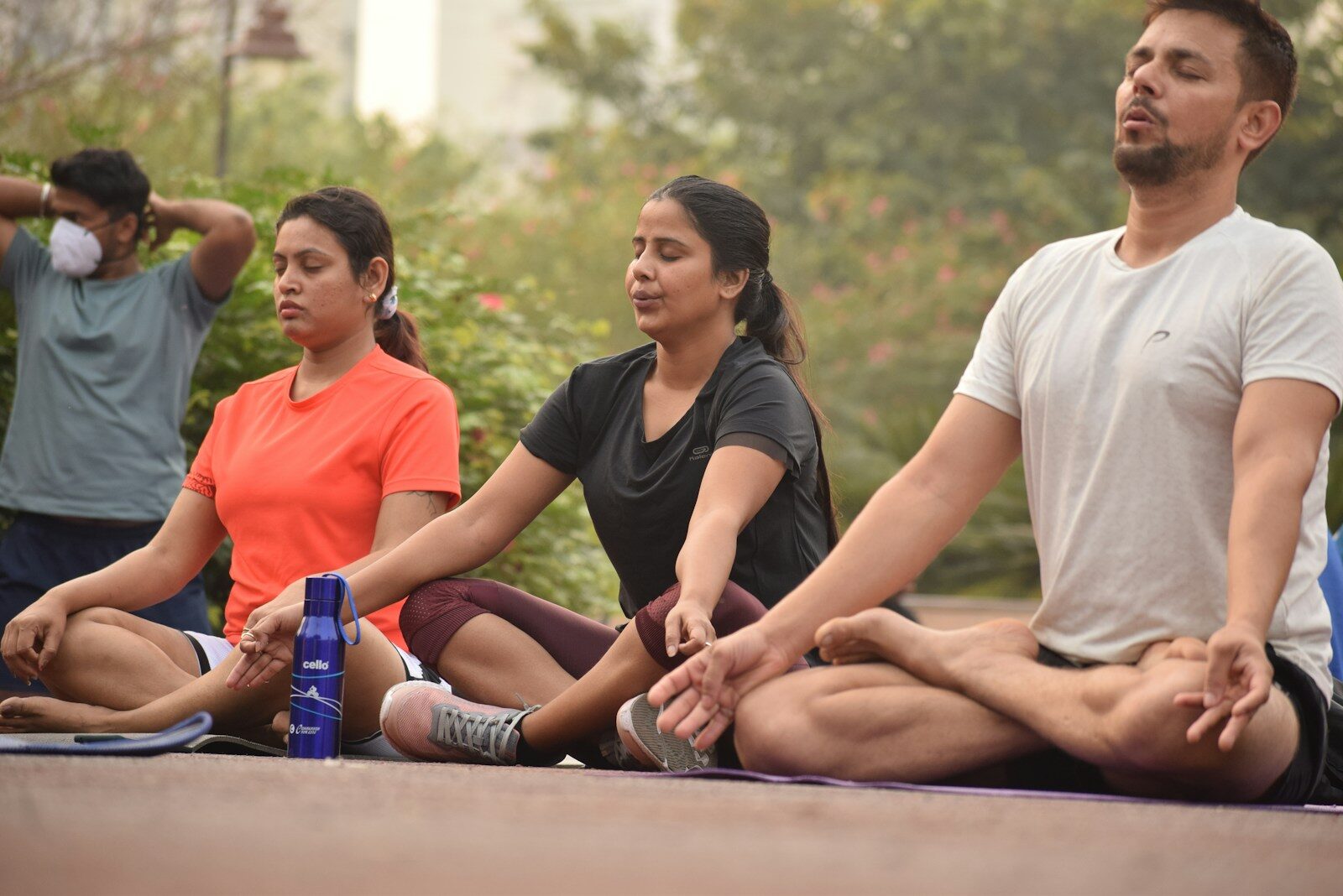
A group of friends finishes a rooftop yoga session as the sun clears the skyline. They fold their hands in namaskar and sit quietly for a moment. Was that exercise, self-care or devotion? For many Gen Z practitioners, the question barely matters. The line between wellness and spirituality has blurred, and the result is a new, flexible way of practising that deserves a closer look.
This guide covers the most popular Gen Z spiritual practices, why wellness and spirituality are merging, how to combine them wisely, and what to watch out for.
Why wellness and spirituality are merging
For earlier generations, spiritual life and physical or mental wellbeing were often kept in separate boxes. Temples handled one, doctors and gyms the other. Gen Z does not see the same wall. The Global Wellness Institute’s 2025 Global Wellness Economy Monitor reports continued growth in wellness practices centred on mental and emotional recovery, which helps explain why practices with a spiritual side are spreading so quickly.
The common motivation is emotional wellbeing. People are not asking, ‘Which doctrine is right?’ They are asking, ‘What helps me feel steady, clear and connected?’ Spiritual teacher Sri Sri Ravi Shankar has described spirituality as being about the quality of your inner experience rather than about labels. That framing fits how many young people live it.
The most popular Gen Z spiritual practices
| Practice | What it is | Why people use it |
|---|---|---|
| Meditation | Training attention through quiet sitting or guided sessions | Calm, focus, emotional balance |
| Breathwork | Structured breathing patterns | Quick stress relief, energy regulation |
| Journaling | Regular reflective writing | Emotional processing, clarity, gratitude |
| Yoga | Postures combined with breath and attention | Body awareness, flexibility, stillness |
| Sound baths and healing | Listening to bowls, gongs or ambient sound | Deep relaxation, a sense of release |
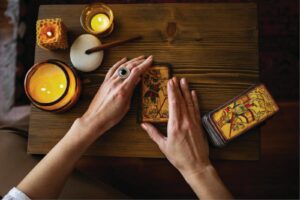
| Astrology and tarot | Symbolic systems used as reflection prompts | Self-understanding, decision talk |
| Manifestation rituals | Setting intentions, visualising goals | Motivation, a sense of agency |
| Mindfulness apps | Guided audio and habit trackers | Convenience, daily consistency |
Meditation: the most visible practice
Meditation is probably the most recognisable spiritual habit among young people. It requires no equipment, no membership and very little time. Beginners can start with five minutes of sitting and watching the breath, or with a short guided track. Over time many people notice better focus and a slower reaction to stress.
How people combine practices
One of the most distinctive features is how naturally practices are combined. A single person might:
- Meditate in the morning to start the day steady.
- Use astrology as a prompt for self-reflection about relationships or career.
- Journal in the evening to process emotions.
- Do yoga a few times a week to regulate the nervous system.
- Attend a sound bath on a weekend to reset.
To these practitioners there is no contradiction. Each practice serves a different need, and the whole is held together by one goal: feeling emotionally balanced.
Is it wellness or is it worship?
The honest answer is that it can be either, or both. Some people treat a yoga session as exercise and nothing more. Others experience the same session as a moment of gratitude or connection with something larger. What matters is the intention behind the practice and the way it is taught.
It helps to be respectful about origins. Yoga, meditation and chanting come from rich traditions with their own philosophy and ethics. Learning even a little about that background deepens the practice and avoids treating sacred elements as mere decoration.
What to watch out for
- Commercialisation. Wellness is a large industry, and some products or courses add spiritual language to sell expensive extras. Price is not a measure of depth.
- Unproven claims. Treat promises of curing illness or ‘detoxing’ the brain with caution and ask for evidence.
- Replacing medical care. Spiritual practices can support health but should not replace advice from a doctor or therapist.
- Collecting rather than practising. Trying everything once is easy; choosing a few things and sticking with them is where the benefits appear.
How to build a balanced wellness-spirituality routine
- Choose one practice for the body (yoga, a walk or stretching).
- Choose one for the mind (meditation or breathwork).
- Choose one for reflection (journaling or gratitude).
- Add one social or creative element (a class, a music session or a friend’s company) once a week.
- Review after a month. Keep the ones you look forward to and drop the rest.
Frequently asked questions
What are the most popular spiritual practices among Gen Z? Meditation, breathwork, journaling, yoga, astrology, sound healing and mindfulness apps are among the fastest growing practices among younger people.
Is yoga a spiritual practice or just exercise? It can be both. Yoga began as a spiritual discipline and today many people practise it mainly for fitness, while others embrace the philosophical side.
Can I mix different spiritual practices? Yes. Many young people combine several, as long as they approach each with respect and understand its background.
What is a sound bath? A sound bath is a relaxation session where participants lie or sit while listening to instruments such as singing bowls or gongs. People use it to unwind and reset.
Conclusion
Gen Z has stopped treating wellness and spirituality as separate worlds. Meditation, yoga, journaling, sound and symbolism sit side by side because they all serve the same need: feeling emotionally steady in a busy world. Build a small routine, respect the roots of what you practise, and let experience, not trends, decide what stays.
Related reading: Personalized spirituality · Spiritual travel and retreats
Sources: Global Wellness Institute, 2025 Global Wellness Economy Monitor; Art of Living; The Inner Path.
Join DharmGhar Family