It is 11 p.m., the exam is tomorrow, and your thoughts will not slow down. A generation ago a student in that position might have kept studying or gone to sleep worried. Today many will pause, close their eyes and run through a breathing exercise they learned from a video. For a growing number of young people, spirituality is not first about belief. It is about getting through the week without burning out.
This article looks at why stress is driving Gen Z toward spiritual practices, which tools people use most, what the evidence says, and a simple routine you can try tonight.
Why stress sits at the centre of the Gen Z spiritual shift
The American Psychological Association has reported in its stress surveys that younger adults tend to show higher stress levels than older generations. Many young people describe feeling overstimulated, emotionally tired and mentally scattered. Constant notifications, academic and career pressure, financial uncertainty and comparison on social media all add to the load.
When the mind feels crowded, practices that slow things down become attractive. Meditation, breathwork, yoga, journaling and silent time are no longer seen only as religious acts. They are being used as emotional coping tools, the way earlier generations might have used a long walk or a talk with an elder.
The same Harris Poll from July 2026 found that 57% of Gen Z agree they use practices such as manifestation or spirituality to feel more in control of their future. The key word is control. In a period that feels unpredictable, a daily ritual is something a person can actually steer.
Practical first, philosophical later
Most beginners are not searching for enlightenment. They are searching for relief. A student who tries a ten-minute meditation before bed is usually asking a simple question: will this help me sleep and think more clearly?
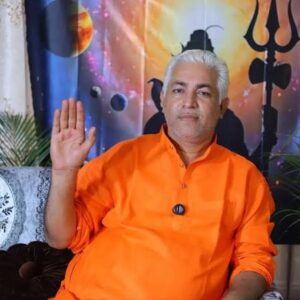
That practical start matters. When a practice delivers a small, real benefit, curiosity follows. People then begin to read about its roots, listen to teachers, and sometimes explore the deeper philosophy. Spiritual teacher Premanand Maharaj has made a related point that a restless mind cannot find peace however comfortable the surroundings are. Comfort does not calm the mind; training the mind does.
The most common stress-relief practices
| Practice | What it involves | Best for | Time needed |
|---|---|---|---|
| Breathwork | Slow, controlled breathing patterns | Quick calm before exams or meetings | 2-5 minutes |
| Meditation | Sitting quietly and focusing attention | Building steadiness and focus | 5-20 minutes |
| Journaling | Writing thoughts and feelings freely | Sorting emotions, reducing overthinking | 5-10 minutes |
| Yoga | Movement combined with breath | Releasing physical tension | 15-45 minutes |
| Silent time | Phone-free quiet, a walk or a retreat | Resetting an overstimulated mind | 10 minutes to days |
What the research suggests
A widely cited 2010 study in the journal Science by Killingsworth and Gilbert found that people’s minds wander a large part of the time and that a wandering mind is linked with lower happiness. Practices that train attention, such as meditation, are designed to address exactly that pattern.
It is worth being honest about limits. Meditation and breathing exercises can help many people manage everyday stress, but they are not a replacement for professional care. If anxiety, low mood or sleeplessness is severe or lasts for weeks, speak to a doctor or a qualified mental health professional. Spiritual practice works best alongside, not instead of, proper support.
Be careful with online claims, too. Some wellness trends promise dramatic effects, such as clearing parts of the brain or curing stress overnight, without solid evidence. Check the source before you try or share anything that sounds too good to be true.
A simple 5-minute routine for tonight
- Settle (1 minute). Sit upright, feet on the floor, phone out of reach. Notice your breathing without changing it.
- Breathe (2 minutes). Inhale through the nose for four counts, hold for four, exhale slowly for six. Repeat gently.
- Write (2 minutes). Jot down the one thing worrying you most, and one thing you can do about it tomorrow.
- Close. Take one last slow breath and say a short line of gratitude, silently or aloud.
Do this daily for two weeks. Notice whether you fall asleep faster, feel calmer in the morning, or react less sharply to small problems.
Tips for making it stick
- Attach it to something you already do, like brushing your teeth or making tea.
- Start tiny. Two minutes daily beats thirty minutes once a month.
- Expect wandering. A distracted mind is normal. Returning to the breath is the practice.
- Track the effect, not the streak. Ask how you feel afterwards.
- Share it. A friend doing the same routine makes you far more likely to continue.
Frequently asked questions
Why is Gen Z turning to spirituality for stress? Higher reported stress, constant digital stimulation and uncertainty about the future make calming, controllable rituals appealing. Practices like meditation and breathwork offer quick, practical relief.
Does meditation really reduce stress? Many people find that regular meditation helps them feel calmer and focus better. Results vary, and it works best as one part of a healthy routine alongside sleep, movement and support from others.
What is the best spiritual practice for anxiety? Breathwork and short guided meditations are popular starting points because they are quick and easy. If anxiety is severe, consult a health professional.
How long should I meditate as a beginner? Five minutes a day is enough to start. Increase slowly once it feels natural.
Conclusion
For Gen Z, spirituality often begins as a practical response to pressure. People try a breathing exercise because they are tired, and they stay because it helps. The philosophy can come later. If you are feeling overwhelmed, start small, stay honest about what helps, and ask for professional support when you need more than a routine can give.
Related reading: Personalized spirituality · Wellness practices becoming spiritual practices
Sources: Harris Poll via IBTimes Australia; American Psychological Association, Stress in America; Killingsworth and Gilbert, Science (2010); The Inner Path.
Join DharmGhar Family