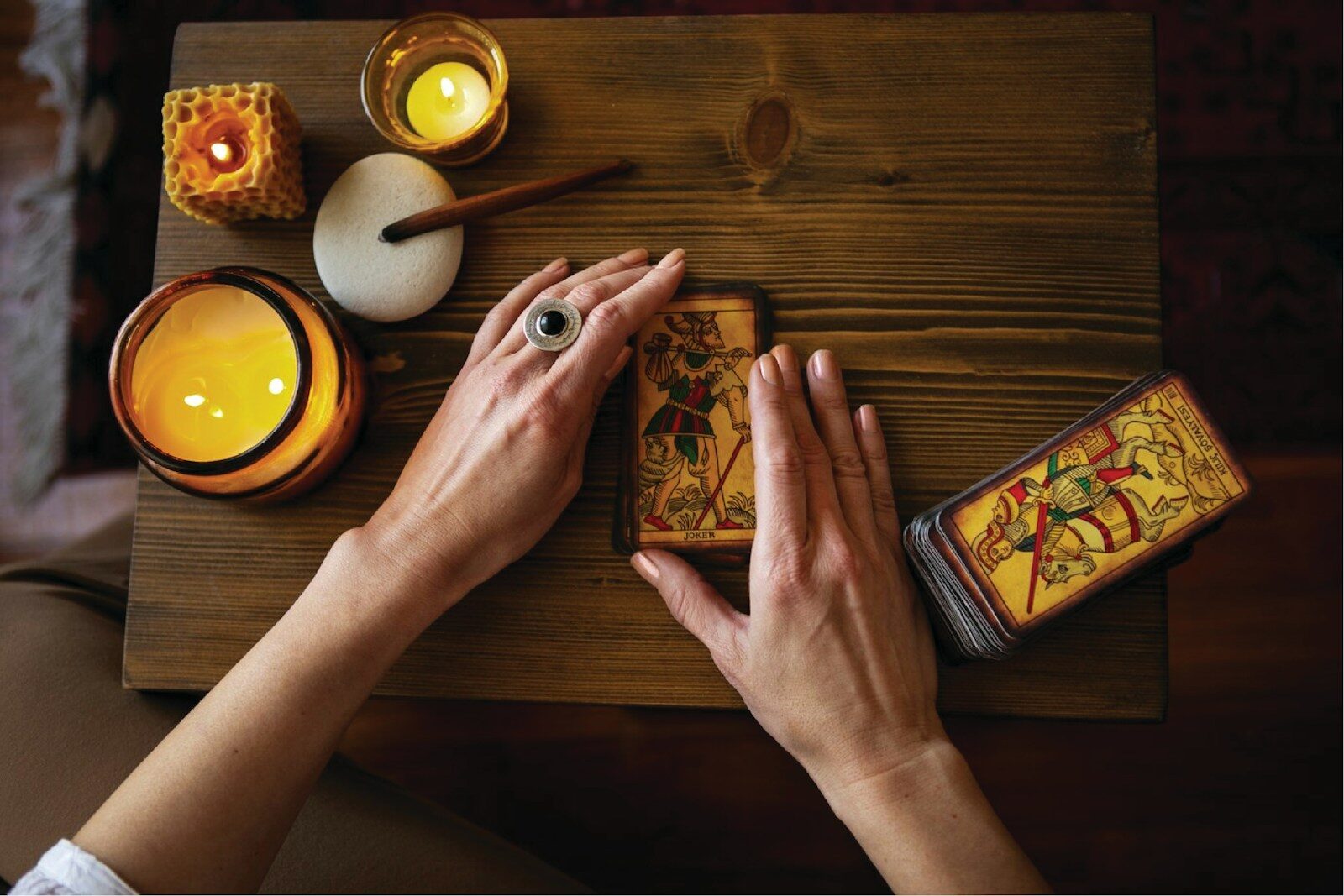
Walk into a young person’s bedroom today and you may find a brass diya, a small idol, a piece of quartz and a tarot deck sharing one shelf. To an older relative it can look confusing, even contradictory. To the person who arranged it, the shelf makes perfect sense. This is personalized spirituality, and it is one of the defining features of how Gen Z relates to meaning, faith and inner life in 2026.
This guide explains what personalized spirituality is, why it is growing, what the data says, and how you can build a practice of your own without feeling like you are doing it wrong.
What is personalized spirituality?
Personalized spirituality means designing your own set of beliefs and practices instead of adopting one tradition in full. A person might meditate in the morning, journal at night, read their horoscope for perspective, and still say a prayer before an exam. The pieces come from different places, but the purpose is shared: to feel grounded, hopeful and connected to something larger than daily stress.
You will often hear the phrase ‘spiritual but not religious’. It describes someone who seeks personal meaning, inner growth or moments of transcendence without formally belonging to a religious institution. It is not the same as being against religion. Many people in this group respect tradition and still prefer to experience it on their own terms.
Why Gen Z is choosing a personal path
Several forces push in the same direction.
1. Experience over inherited belief. Many young people want to feel that a practice works before they commit to it. Spiritual teacher Sadhguru has described this generation as unwilling to accept something just because someone said so; they want direct experience. A five-minute breathing exercise that visibly calms the nerves is more convincing to them than a rule they cannot explain.
2. Information is everywhere. Gen Z grew up with the whole world’s traditions one search away. Yoga philosophy, Buddhist mindfulness, Sufi poetry and Western astrology sit in the same feed. Mixing them feels natural when nothing is hidden behind a gate.
3. Distance from rigid structures. Many young people say they are not rejecting meaning, only systems that feel emotionally disconnected from modern life. Strict rules, unexplained rituals and top-down authority can feel out of step with a generation that values honesty and choice.
4. A need for stability. Uncertainty about careers, money and the future makes personal rituals feel like anchors. A morning routine you built yourself is something you control.
What the data says
A Harris Poll of 2,136 US adults, conducted on 1-4 July 2026, found that 33% of Gen Z describe themselves as religious. That is more than millennials (19%), Gen X (22%) and boomers (18%). At the same time, 88% of Gen Z take part in at least one spiritual practice, ranging from prayer and scripture to meditation, astrology and tarot.
The poll’s strategy chief summarised the pattern as stacking rather than choosing: church on Sunday, manifestation on Wednesday, tarot on Friday. In other words, religious and personal practices often sit side by side instead of competing.
There is an important caveat. Pew Research Center has found that young adults’ religious identity has held steady since 2020 rather than surging. So the accurate reading is not ‘Gen Z is becoming religious’ or ‘Gen Z has abandoned faith’. It is that Gen Z is spiritually active and highly flexible about how.
Young Indians describe the same shift. In a feature in The Week, a 23-year-old cabin crew member contrasted her parents’ habit of observing faith like a daily routine with her own more intentional, chosen approach.
Common elements in a personal spiritual routine
There is no standard formula, but certain practices appear again and again:
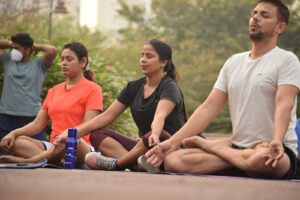
- Meditation and breathwork for calming the nervous system.
- Journaling for sorting through emotions and setting intentions.
- Yoga for connecting body and mind.
- Astrology and tarot as prompts for self-reflection rather than fortune telling.
- Manifestation and gratitude rituals for focusing on goals and appreciating what is already there.
- Traditional elements such as lighting a diya, chanting, visiting a temple or reading scripture, kept because they feel meaningful.
Benefits and risks
Benefits. A personal practice is easy to adapt, so it is more likely to become a habit. It encourages self-awareness, and it can make spirituality feel welcoming to people who felt excluded from formal settings.
Risks. Without guidance, practices can become shallow, a collection of aesthetics with little depth. It is also easy to borrow rituals without understanding where they come from. And some trends, such as unproven health claims, deserve a sceptical eye. A good rule: if a practice promises a miracle, check the evidence before you commit.
How to build your own spiritual practice
- Start with your reason. Ask what you actually need: calm, focus, meaning, community or comfort.
- Pick one practice. Try a five-minute meditation or a few lines of journaling for two weeks before adding anything else.
- Learn the roots. Spend time understanding where a practice comes from. A short read or a conversation with a teacher adds depth.
- Create a small space. A shelf, a corner or a candle gives your practice a physical anchor.
- Review monthly. Keep what helps, drop what does not, and stay honest about the difference.
- Find one trusted guide or friend. Discussing your practice keeps it grounded and stops it becoming purely performative.
Frequently asked questions
What does ‘spiritual but not religious’ mean? It describes people who pursue meaning, inner growth or transcendent experiences without formally identifying with a religious institution. Many combine practices from several traditions.
Is personalized spirituality a real religion? No. It is a personal approach to meaning rather than an organised religion, though many people blend it with traditional faith.
Is Gen Z less religious than older generations? Not necessarily. The July 2026 Harris Poll found Gen Z was more likely to call itself religious than older groups, while Pew data suggests overall religious identity has been stable. The difference is that Gen Z mixes in other practices.
How do I start a spiritual practice with no experience? Choose one simple habit, such as five minutes of quiet breathing, and repeat it daily for two weeks. Add other elements slowly.
Conclusion
Personalized spirituality is not a loss of faith. It is faith that has become flexible, self-directed and experience-based. For a generation that grew up online, surrounded by every tradition at once, building a personal toolkit is a natural response. The key is to stay curious, learn the roots of what you practise, and keep what genuinely helps you feel steadier and more connected.
Related reading: Gen Z stress relief and spirituality · Gen Z spiritual practices
Sources: Harris Poll via IBTimes Australia; Pew Research Center; The Week; The Inner Path.
Join DharmGhar Family