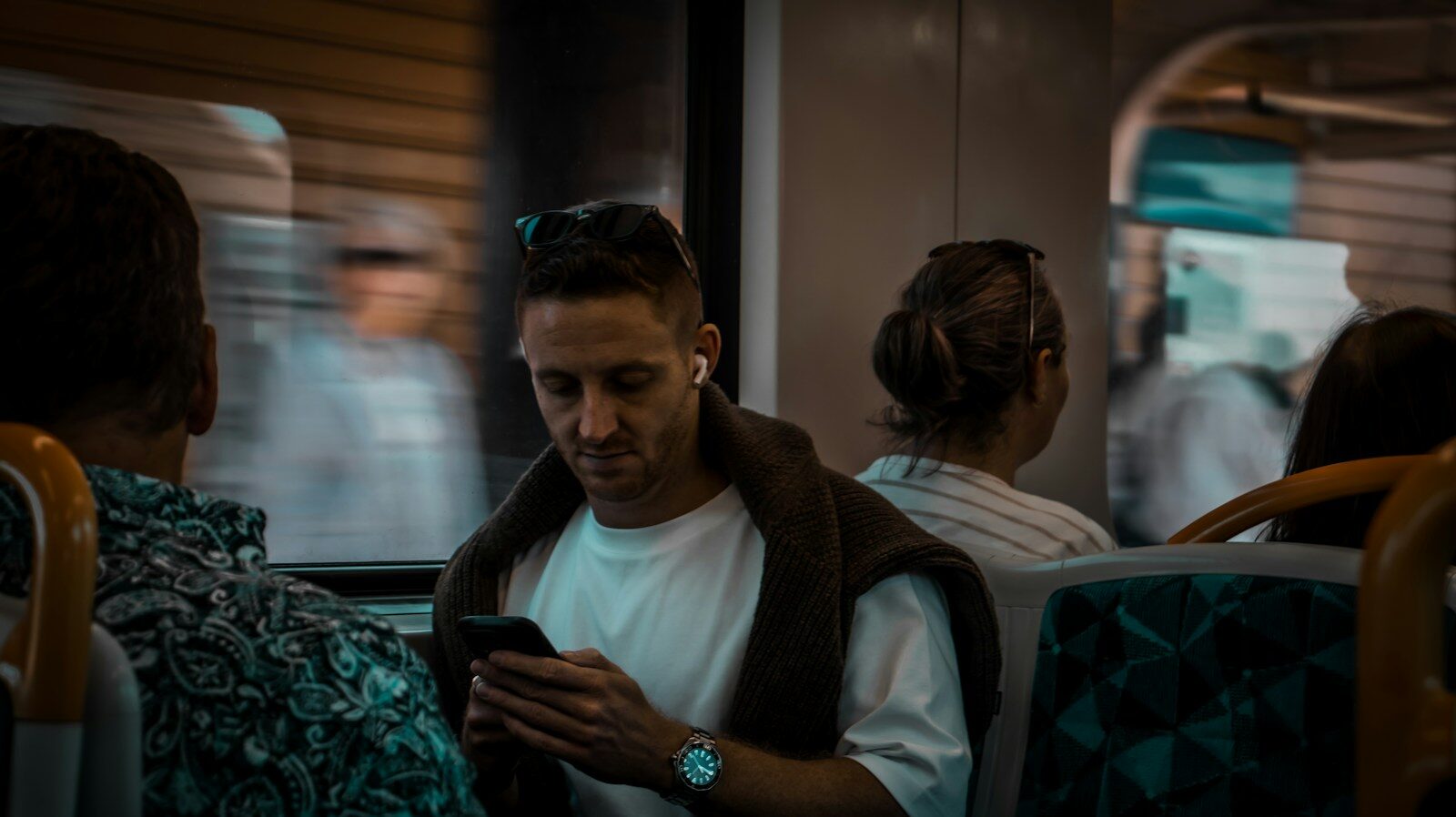
A generation ago, spiritual learning meant a grandparent’s stories, a visit to the temple, a book from the shelf or a talk with a teacher. Today it can begin with a 30-second clip that appears while you are scrolling on a train. Social media has become one of the main doors into spirituality for young people, and it is changing what spiritual learning looks like.
This article explains how social platforms became a spiritual gateway, what they do well, where they fall short, and how to turn a passing video into a lasting practice.
How social media became a spiritual doorway
The algorithm does the introducing. A person watches one guided breathing clip and their feed soon fills with meditation, yoga philosophy, nervous system explainers, manifestation techniques, astrology and mindfulness creators. No introduction, no membership and no cost.
In India this has been noticed by the creator economy itself. Sahil Chopra, chairman of the Indian Influencer Governor Council, told The Week that spiritual creators now deliver complex spiritual ideas through bite-sized reels. YouTube channels devoted to meditation and spirituality have also seen rapid audience growth in recent years.
The result is a shift in who teaches. Alongside traditional teachers and institutions, there are now therapists, yoga instructors, storytellers, musicians and ordinary practitioners sharing what works for them.
What social media does well
1. It removes barriers. Many people would never walk into an ashram or a meditation centre on a first visit. A short video lets them try something privately and without pressure.
2. It makes ideas understandable. Good creators translate difficult concepts into simple language and everyday examples, which helps beginners get started.
3. It builds familiarity and normalises practice. Seeing peers meditate, journal or do yoga makes the practices feel ordinary instead of unusual.
4. It connects people. Comment sections, live sessions and group challenges give viewers a sense that others are walking the same road.
Where it falls short
1. Depth gets flattened. Short clips reward what is catchy. Practices with history and nuance can be reduced to an aesthetic: soft light, a quote, background music. The Inner Path calls social media both a teacher and a filter; it introduces spirituality quickly but often without depth.
2. Quality varies widely. Anyone can claim expertise. Some creators are trained and careful. Others promise miracles, sell expensive courses or repeat unverified health claims.
3. It can turn practice into performance. When a practice is mainly something you film or post, it is easy to lose the inner experience that made it valuable.
4. The platform is built for scrolling. Using a feed to find peace can be contradictory, since the same platform competes for your attention all day.
How to tell a trustworthy creator from a risky one
| Look for | Be cautious of |
|---|---|
| Clear explanation of where a practice comes from | Vague claims with no source or tradition named |
| Honest limits, such as ‘this may help’ or ‘see a doctor’ | Promises of instant cures or guaranteed results |
| Free or fairly priced learning options | Constant pressure to buy costly courses |
| Credentials, training or a visible teacher lineage | No background and no accountability |
| Encouragement to practise offline and think for yourself | Messaging that makes you dependent on the creator |
From scrolling to practising: a 5-step path
- Choose two or three creators, not twenty. A smaller, deliberate feed beats an endless one.
- Pick one practice from what you watched and try it for a week, away from the screen.
- Go to the source. If a clip mentions a text, teacher or tradition, read or listen to the original.
- Set boundaries. Use a timer for spiritual content and put your phone away during the practice itself.
- Find a real-world step. Join a local meditation circle, attend a class or visit a retreat. Many Gen Z users eventually move from online content toward communities, retreats or long-form teachings.
What this means for creators and brands
If you publish spiritual or wellness content, depth is now a competitive advantage. Cite where practices come from, be honest about evidence, and invite people to continue beyond the platform. Audiences are growing more aware of shallow trends, and trust is built by transparency.
Frequently asked questions
Is social media increasing interest in spirituality? Yes. Platforms such as TikTok, YouTube and Instagram are major discovery channels for meditation, mindfulness, yoga philosophy, astrology and healing practices.
Can you learn meditation from YouTube or Instagram? You can learn the basics, such as simple breathing and guided sessions. For deeper practice, a qualified teacher, a class or a retreat usually helps.
How do I find reliable spiritual teachers online? Check whether they name the source of their teachings, avoid miracle promises, are open about limits and do not pressure you to buy.
Is spiritual content on social media bad for you? Not by itself. It can be a helpful starting point, but it works best when it leads you towards real practice instead of replacing it.
Conclusion
Social media has opened the door to spirituality for millions of young people. Used well, it is a spark that leads to real practice, community and deeper learning. Used carelessly, it becomes another scroll. Choose your sources, follow the ideas back to their roots, and put the phone down when it is time to practise.
Related reading: Stress relief and spirituality · AI and spirituality
Sources: The Week; The Inner Path.
Join DharmGhar Family